The material
What it is
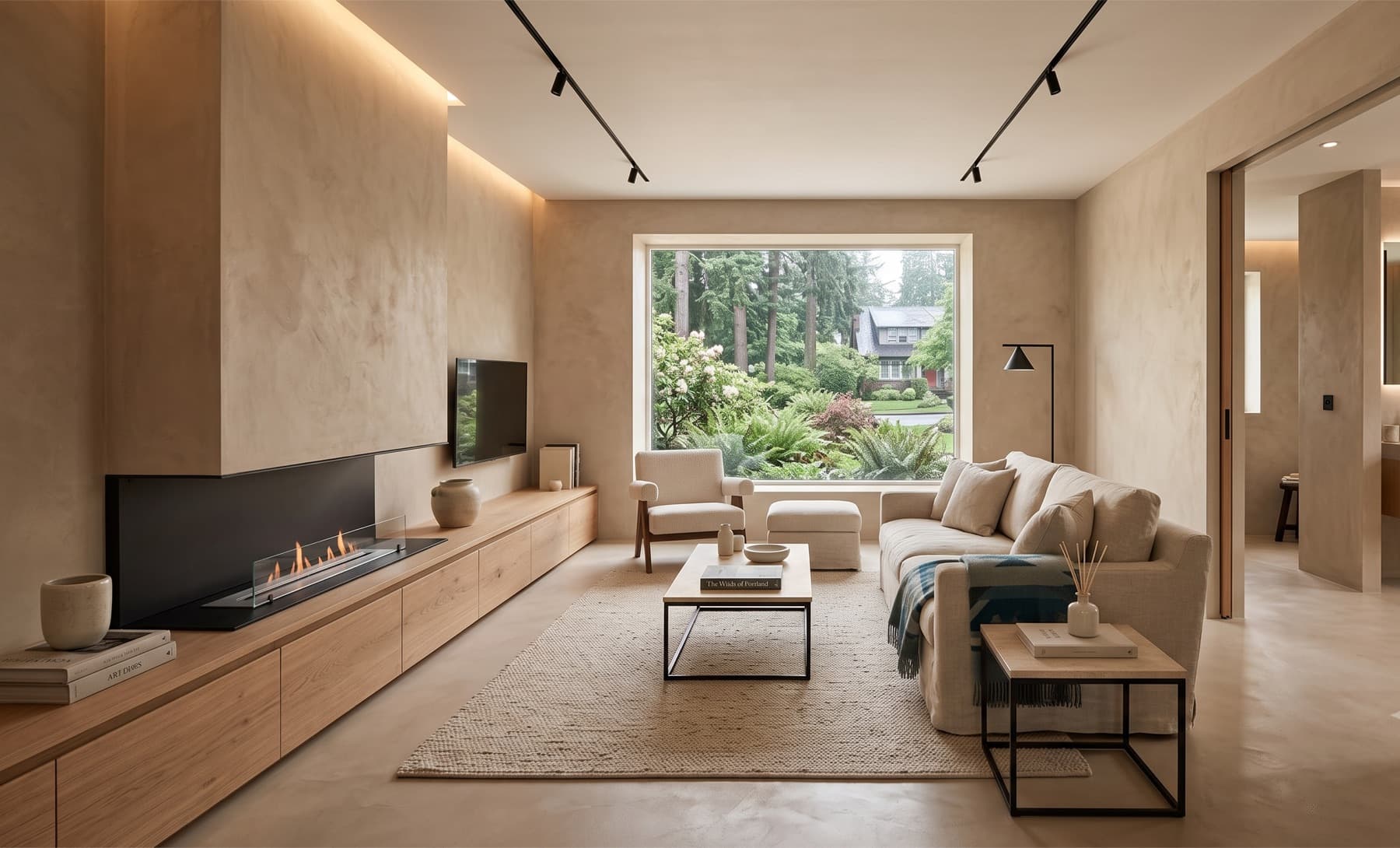
Lime plaster is slaked limestone, aggregate, and water. That is the whole recipe. Applied in thin coats and left open to the air, it slowly pulls carbon dioxide back out of the room and turns toward stone again. That process keeps going for years after we pack up, and it is the reason lime plaster on Roman buildings is still on the wall.
It is also, with tadelakt, one of only two of our finishes that genuinely breathes. Moisture moves through it and leaves instead of collecting behind it. In an older Boise house with no vapor barrier, that difference is structural rather than cosmetic.
Rooms
Where it belongs
Living rooms and bedrooms
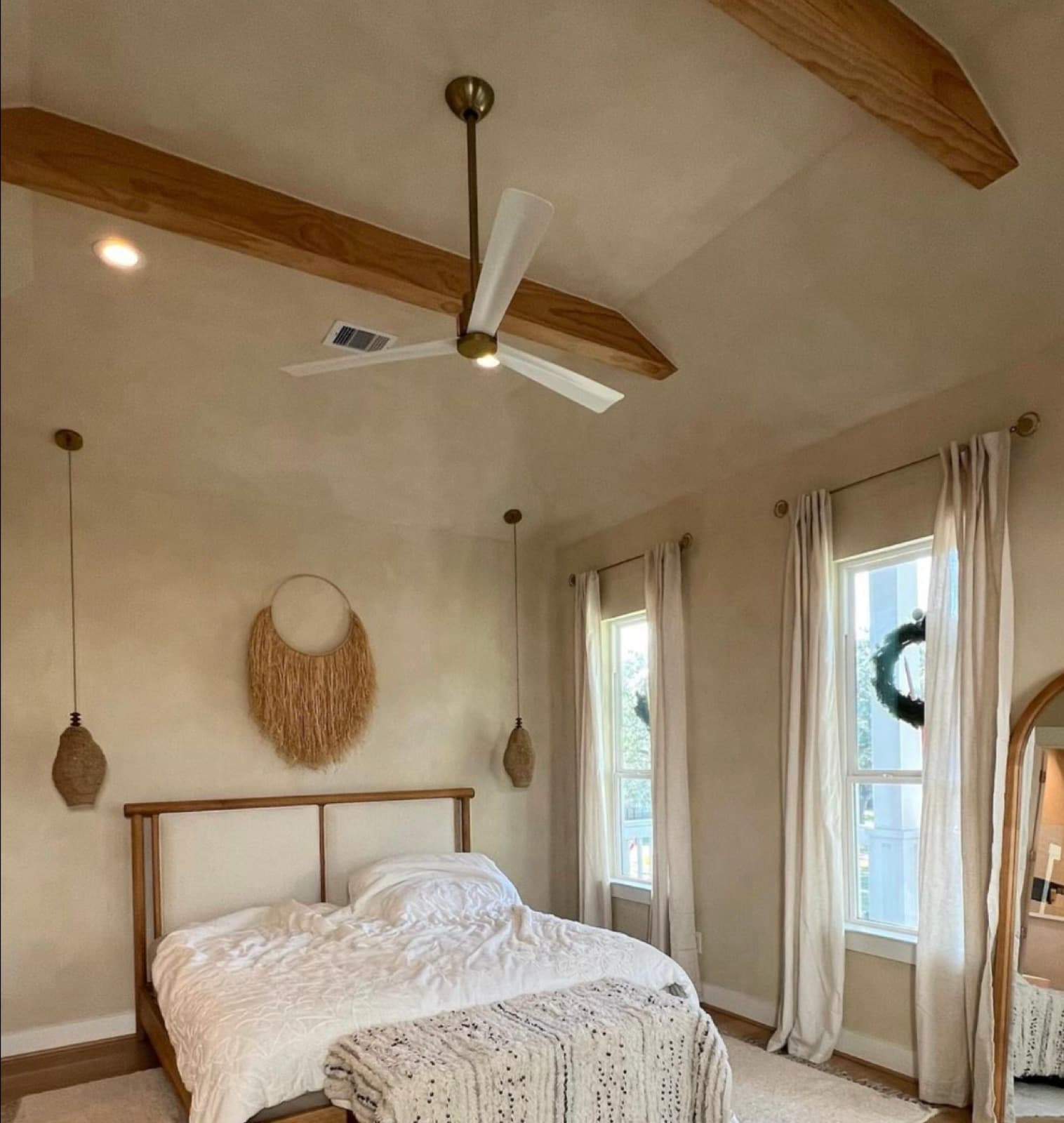
Lime holds light in a way paint cannot. The surface has real depth, and the color shifts through the day as the light moves across it. It does its best work in rooms you sit in rather than rooms you pass through.
Older houses
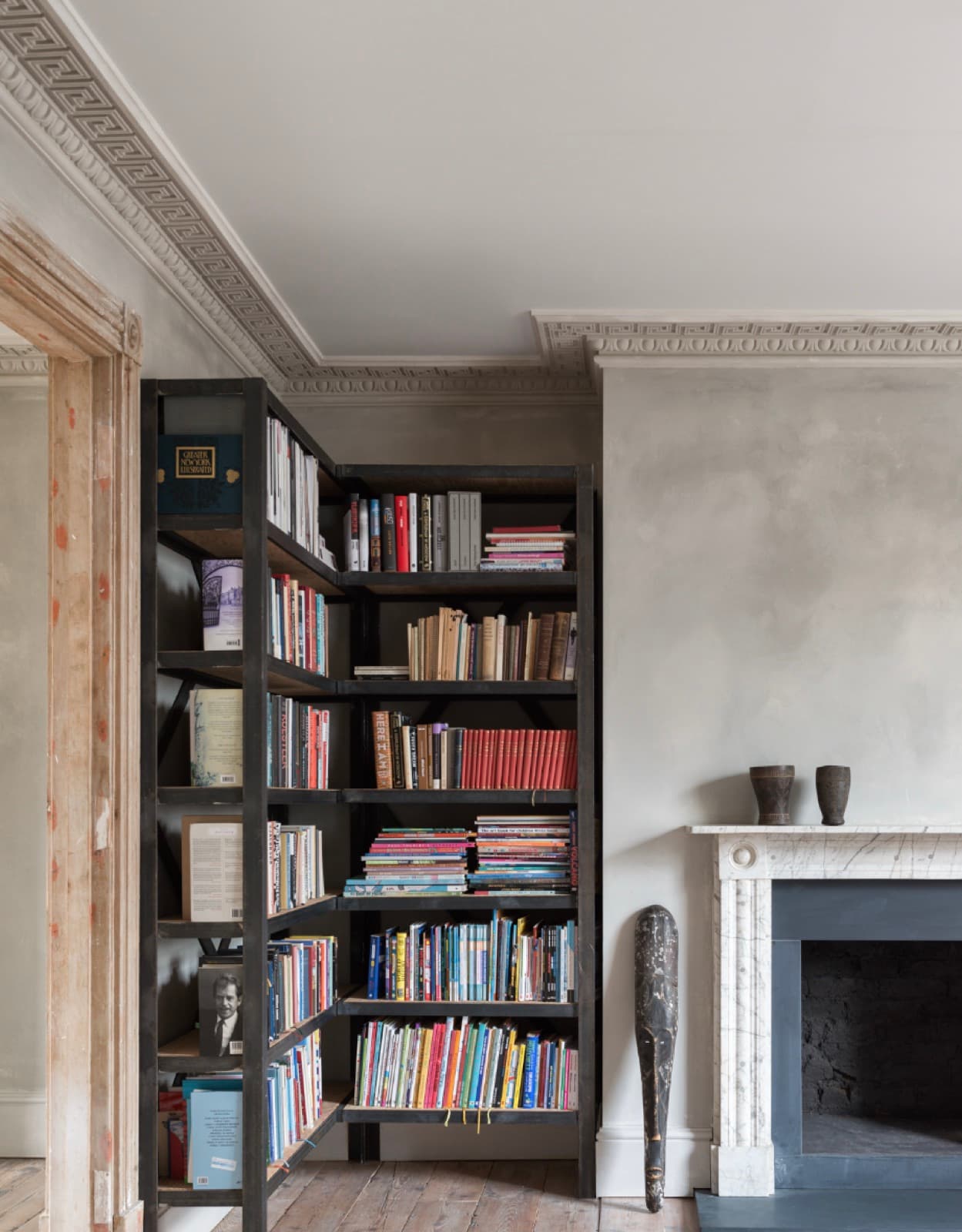
If your house is pre-war and the walls need to breathe, lime is the right answer and the others are compromises. Boise has a lot of these houses, and lath and plaster walls were built for exactly this material.
Bathrooms, away from direct spray
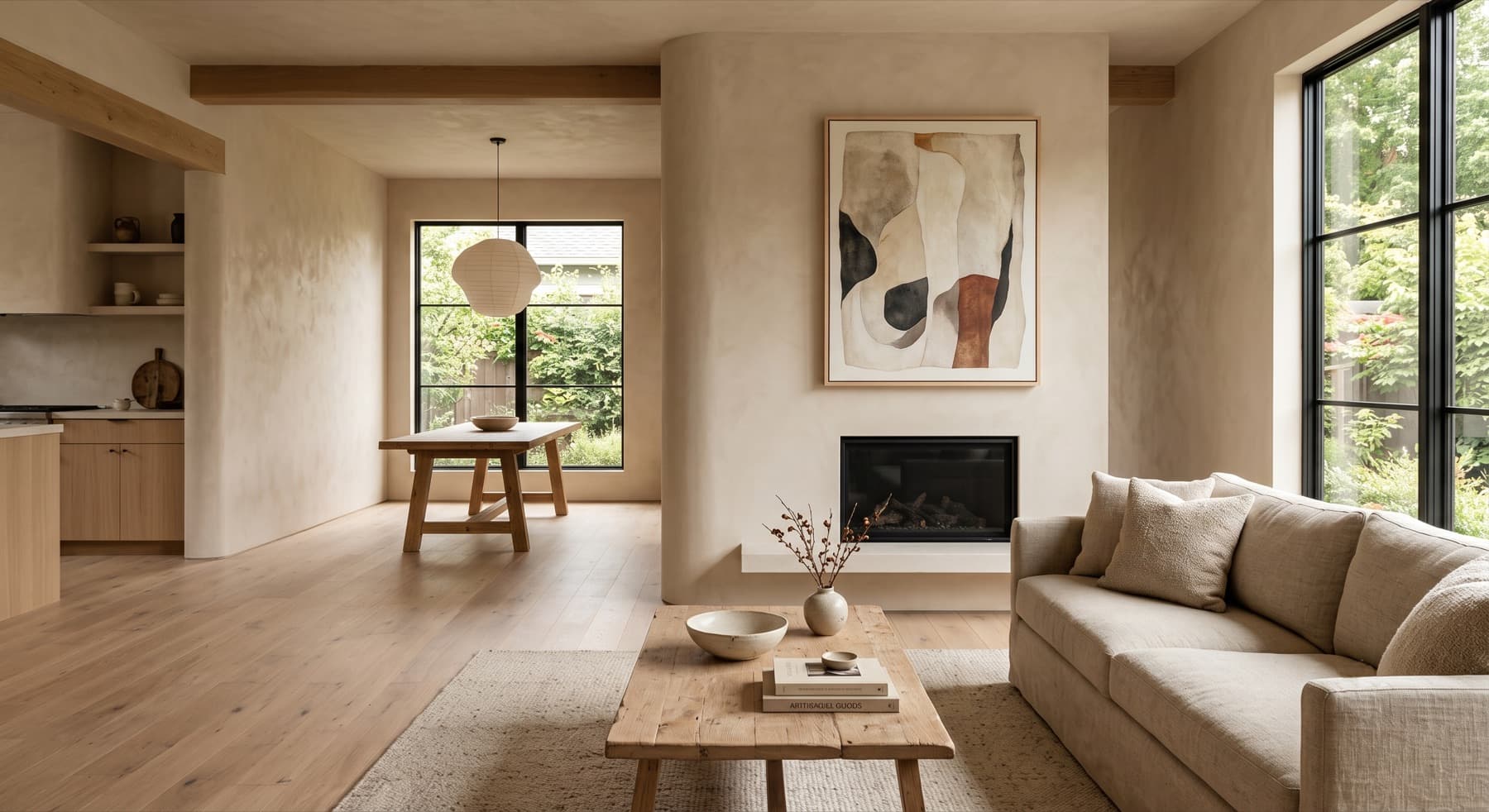
Lime handles humidity well and is naturally hostile to mold. It belongs on the walls of a bathroom. It does not belong inside the shower enclosure itself.
Straight answer
Where it doesn’t
Lime is the softest finish we apply, and it marks. A dragged chair, a scrubbed splash, a dog leaning on the same spot every day: all of it shows, and some of it stays. In a busy kitchen or a hallway with kids, lime will look worn inside two years. Some clients want exactly that. If you do not, choose microcement and we will both be happier.
What it costs
$12 to $22per sq ft, installed
Ranges cover material and labor for typical residential work. The existing condition of the wall moves the number more than anything else, which is why we quote after seeing it rather than over the phone.
Our palette
Colors
We make our own colors, pigmented in house. You see yours as a sample on your own wall, in your own light, before anything gets committed.
Chalk
Soft luminous white
Bone
Warm, barely there neutral
Ochre
Warm golden brown
Terre
Deep earthen red
Sage Mist
Muted gray green
Ash
Warm mid gray
Terracotta
Burnt heritage orange
Umber
Deep warm brown
1 to 3 weeks on site
What installation involves
Several thin coats, each one drying before the next goes on. Humidity and temperature set that pace, not us, so a lime job in a cold Boise winter runs to the long end of its window, since lime cannot cure below about 40 degrees.
We will not compress the cure to hit a date. Rushing coats is the most common reason a lime wall fails early, and it does not show up until the year after the invoice.
Aftercare
Living with it
- Dust it. Wipe gently with water and a soft cloth.
- Skip abrasives and anything with solvents in it.
- Wipe splashes reasonably promptly, especially near a kitchen.
- Touch-ups blend in over months rather than matching on day one. That is normal.
Questions
About lime
Will lime crack?
Fine surface crazing is part of how lime behaves, and it often closes back up on its own as the lime recrystallizes. Structural cracking is a different thing, and it comes from the wall moving rather than from the plaster. We check for that before we start.
Can I put lime in a kitchen?
You can, and we will do it, but hear the trade-off first. It will mark near the range and the sink. If a lived-in surface is what you are after, lime is right. If you want it looking untouched in year three, use microcement.
Does it need sealing?
Usually not. Sealing works against the breathability that is the main reason to choose lime in the first place. In one specific high-splash spot we will talk it through, but unsealed is the default.
Considering lime?
We will look at the wall, show you samples in your own light, and tell you honestly whether this is the right material for the room.